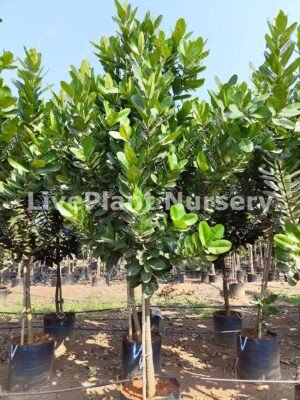
Azadirachta Indica – Neem Tree

Azadirachta Indica (Neem Tree) is a hardy, evergreen tree known for its lush foliage, natural resilience, and wide range of landscaping uses. Ideal for home gardens, avenue planting, farms, institutions, and commercial landscapes, Neem Tree plants are a practical choice for adding long-lasting greenery to outdoor spaces.

Category:
Ask Quotation

Azadirachta Indica – Neem Tree

Azadirachta indica, commonly known as the Neem Tree Plant, is a large evergreen tree valued for its spreading canopy, compound foliage and adaptability to warm Indian conditions. It belongs to the Meliaceae family and is widely planted in gardens, roadsides, avenues, institutional landscapes and other outdoor spaces.

Neem is a practical choice where a durable tree with a broad canopy and strong landscape presence is required. Its established botanical identity and widespread cultivation also make it a familiar tree for residential, commercial and public landscaping projects.

Quick Plant Details

Botanical Name: Azadirachta indica A.Juss.

Common Name: Neem Tree, Neem, Margosa Tree

Family: Meliaceae

Plant Type: Evergreen tree

Sunlight: Full sun

Climate: Tropical to subtropical

Foliage: Compound leaves with toothed leaflets

Flowers: Small, white flowers

Fruit: Yellowish when mature

Landscape Use: Avenues, roadsides, gardens and large outdoor spaces

Neem Tree Characteristics

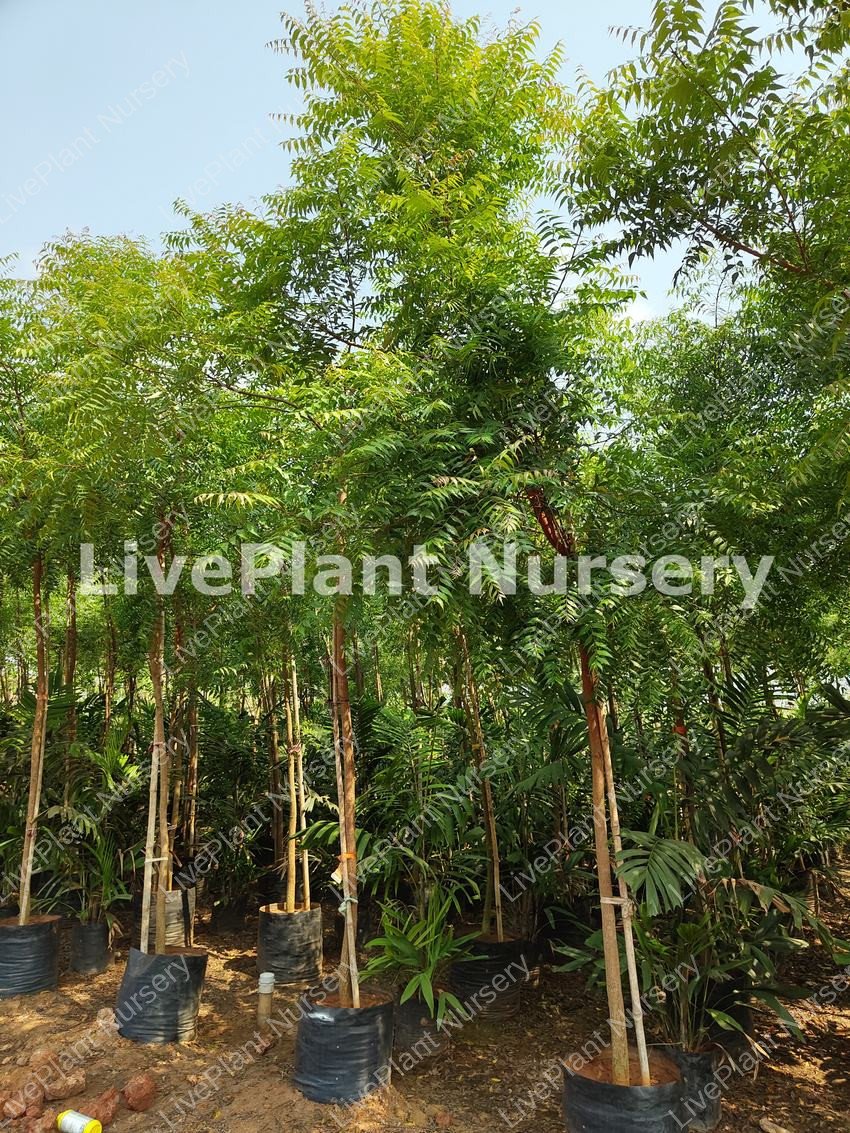
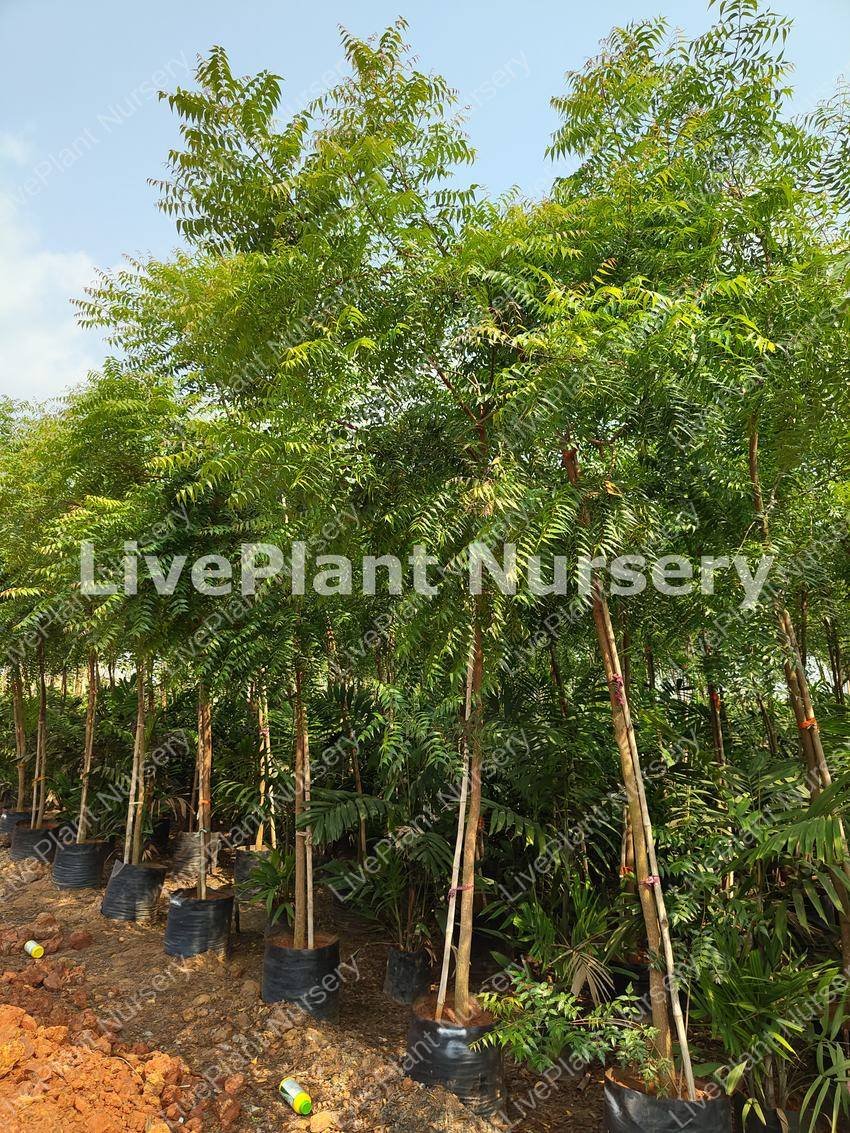
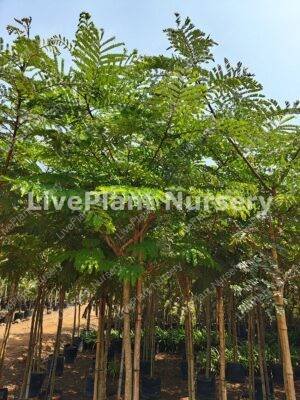
The Neem Tree develops a broad, spreading crown and a strong trunk with brown, longitudinally fissured bark. Its leaves are compound, with multiple elongated leaflets arranged along the leaf stalk. The leaflets have distinctly toothed margins, giving the tree a recognizable foliage pattern.

Neem produces small white flowers in branched inflorescences, followed by single-seeded fruits that turn yellowish as they mature. Flowering and fruiting periods can vary with region and local growing conditions.

The species is widely cultivated in tropical regions and is particularly familiar across India. India Flora Online records Neem in dry deciduous habitats, gardens and roadsides, with planting also noted around places of worship and along avenues.

Neem Tree Growing Requirements & Care

Sunlight

Neem performs well in open, sunny locations. Choose a planting site that receives good direct sunlight for healthy growth and development of its canopy.

Soil

Use well-drained soil that does not remain waterlogged for extended periods. Good drainage is particularly important when planting Neem in gardens or landscaped areas where irrigation is controlled.

Watering

Water requirements depend on the plant’s age, soil type, season, rainfall and local climate. Newly planted Neem trees need consistent moisture while establishing, whereas established trees generally require less frequent watering when growing conditions are favourable.

Avoid keeping the root zone continuously saturated.

Climate

Neem is well suited to warm tropical and subtropical conditions and is widely cultivated across tropical regions. Kew records Azadirachta indica as a tree associated with tropical environments and documents its widespread introduction and cultivation beyond its native range.

Planting

Select an open location with sufficient space for the tree’s eventual canopy. Prepare the planting area with well-drained soil and provide adequate room between the Neem Tree and buildings, pathways or other large plants.

For nursery-grown plants, establishment can vary according to plant size, root development, planting season and local conditions.

Neem Tree for Landscaping

The Neem Tree is suitable for avenue planting, roadsides, gardens, institutional landscapes and other larger outdoor areas where a substantial tree is appropriate. Its spreading crown can provide a strong visual presence and contribute to the overall structure of a landscape.

Because Neem can develop into a large tree, it is generally more appropriate for spacious outdoor locations than very small gardens or restricted planting areas. Consider mature canopy space, nearby structures, underground utilities and access routes before selecting the planting position.

Neem also has a long history of traditional and practical uses. However, landscaping decisions should be based primarily on the tree’s horticultural characteristics, available space and local growing conditions rather than on traditional-use claims.

Neem Tree Plant Availability

If you are looking for a Neem Tree Plant for residential landscaping, avenue planting, institutional projects or larger landscape developments, plant selection should consider the required plant size, planting location and quantity.

For bulk requirements, confirm the available plant sizes, growing medium, quantity, pricing, dispatch schedule and delivery options with the nursery before placing an order. Availability can vary by season and current nursery stock.

Choose a healthy, well-established Neem plant that is suitable for the intended planting location and provide appropriate care during establishment.