Aloe Vera Plant – Aloe Barbadensis Miller
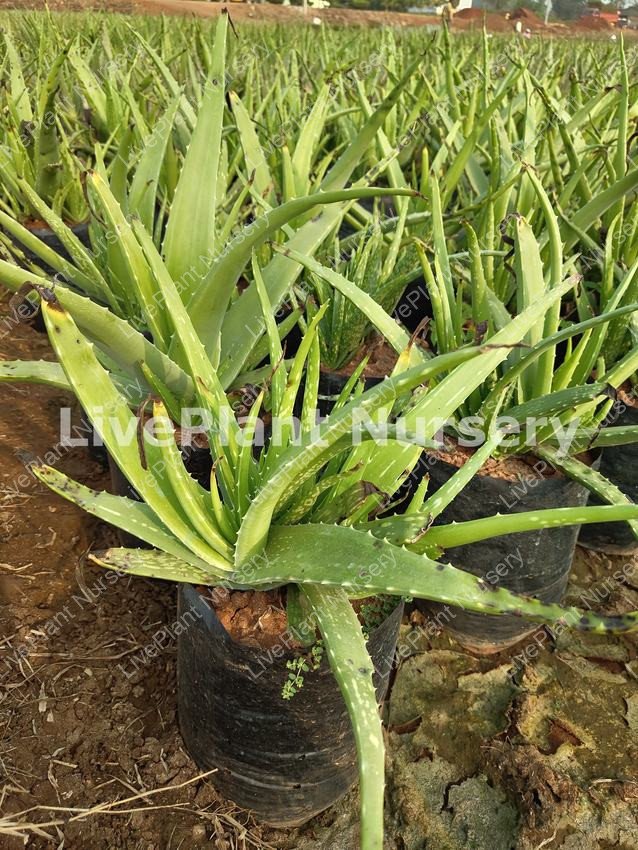
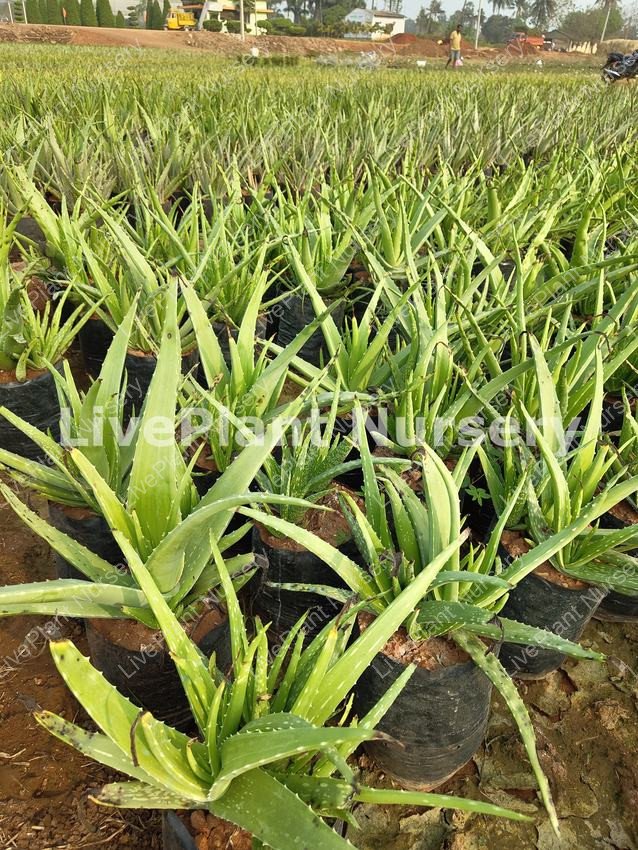
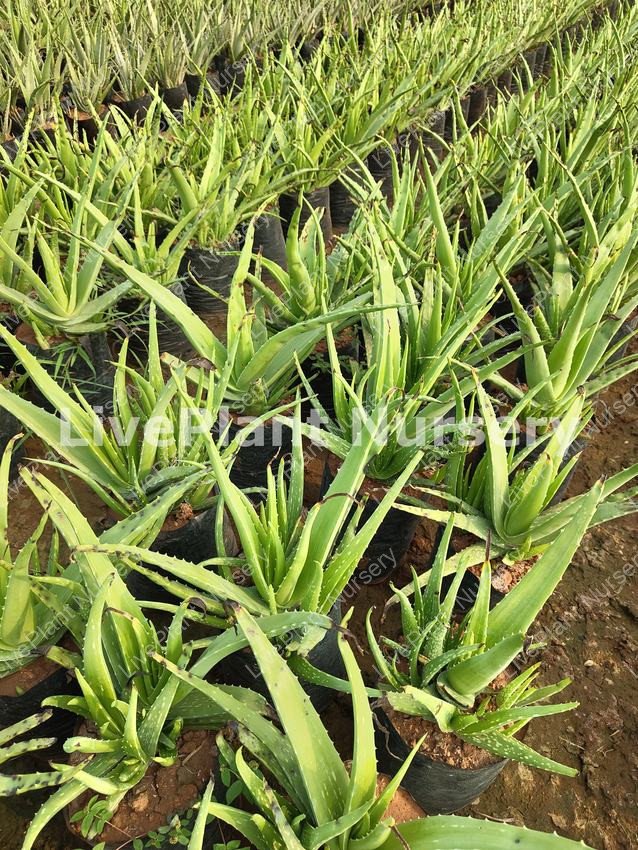
The Aloe Vera plant (Aloe vera) is an evergreen succulent grown for its fleshy green leaves, compact rosette shape and low-maintenance growing requirements. It is a practical choice for home gardeners looking for an ornamental plant that fits into balcony gardens, sunny windowsills, patios and outdoor container arrangements. Its upright, pointed leaves give the plant a distinctive appearance, while its ability to store water makes it suitable for gardeners who prefer less frequent watering.
Aloe Vera belongs to the Asphodelaceae family and is widely cultivated in warm regions. Its leaves are thick and succulent, with small teeth along their margins. Depending on the plant’s age and growing conditions, the leaves may appear green to grey-green and can sometimes develop pale markings. Mature plants may produce tall flower stalks bearing clusters of tubular yellow flowers. The plant can also produce offsets around its base, allowing established clumps to be divided and grown in separate pots.
Aloe Vera Plant for Home Gardens
Aloe Vera is well suited to container gardening because it does not require a large planting area to develop its characteristic rosette. Place it in a pot with drainage holes and use a free-draining succulent potting mix. A balcony, terrace or sunny outdoor area can provide suitable growing conditions, provided the plant receives adequate light and is protected from prolonged waterlogging.
For indoor growing, position the pot near a bright window where the plant receives plenty of natural light. A poorly lit corner is not suitable for long-term growth. When moving a plant from shade to direct sunlight, introduce stronger light gradually to reduce the risk of leaf scorch. Aloe Vera generally grows well in warm conditions and should be protected from frost and prolonged cold.
Why Aloe Vera Is Associated with Skin Care
Aloe Vera is widely recognised for the clear, gel-like material inside its leaves. This inner-leaf gel is used in commercial cosmetic and personal-care products, including moisturising and soothing formulations. Its established use in skincare makes the plant particularly interesting to buyers who enjoy growing useful plants alongside their ornamental collection.
However, the presence of gel in a live plant does not mean every home-prepared application is suitable for every skin type. Research on topical Aloe Vera has examined several potential uses, but the strength of evidence varies by condition. Some people may experience itching, burning or skin irritation. Anyone considering applying fresh gel should test a small area first and discontinue use if a reaction occurs. The yellow latex beneath the leaf skin is distinct from the clear inner gel and should not be confused with it.
Plant Details:
- Botanical Name: Aloe vera (L.) Burm.f.
- Common Name: Aloe Vera, Barbados Aloe
- Family: Asphodelaceae
- Plant Type: Evergreen succulent perennial
- Sunlight: Bright light to full sun; acclimatise gradually to stronger direct sunlight
- Climate: Warm conditions; protect from frost and prolonged cold
- Foliage: Thick, fleshy green to grey-green leaves with small marginal teeth, arranged in a rosette
- Flowers: Tubular yellow flowers on tall flower stalks when mature under suitable conditions
- Landscape Use: Balcony gardens, patio pots, sunny windowsills, terrace gardens and succulent collections
- Growth Habit: Compact, short-stemmed succulent that produces offsets around the base